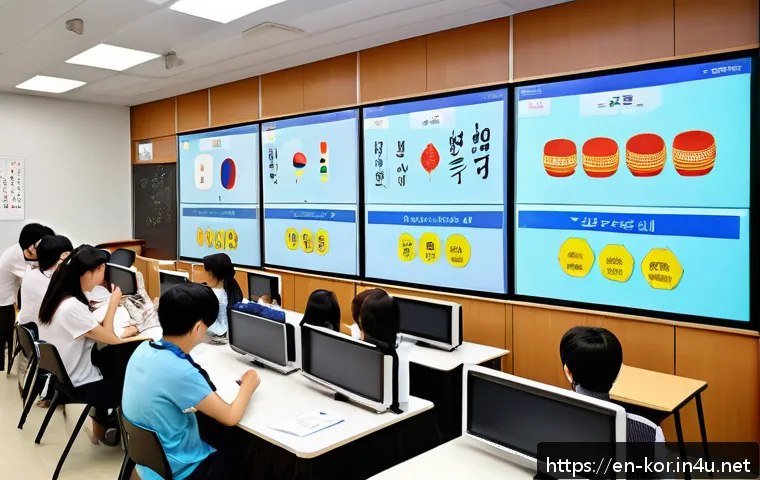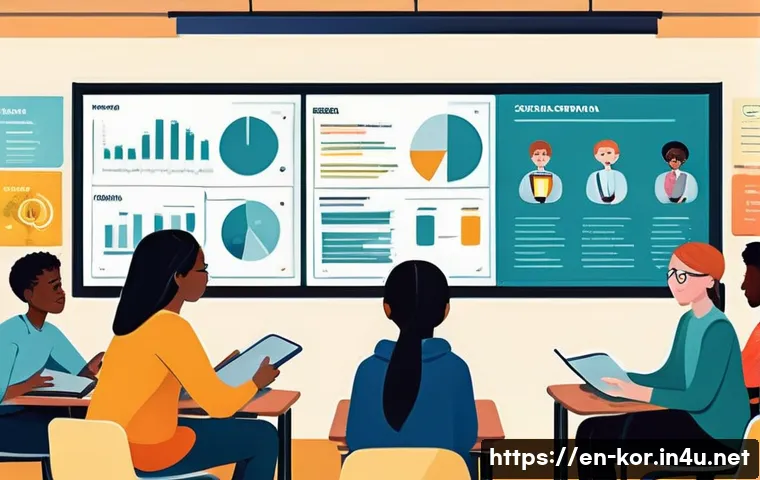
With the surge of immersive and tech-driven learning tools, mastering Korean has never been more achievable or exciting. As global interest in Korean culture continues to soar, traditional study methods are giving way to innovative experimental approaches that accelerate language acquisition.

If you’ve ever felt stuck in a rut with vocabulary drills or grammar rules, this fresh perspective might be just what you need. Join me as we explore how these cutting-edge techniques are transforming Korean proficiency journeys, making the path smoother and more engaging than ever before.
Whether you’re a beginner or looking to level up, this new wave of learning strategies promises faster, deeper results. Let’s dive into the future of language learning together!
Embracing Interactive Language Tools for Korean Fluency
Gamified Learning Platforms: Turning Study into Play
One of the most exciting shifts in Korean language learning is the rise of gamified platforms that transform routine drills into engaging challenges. I’ve tried several apps where you earn points, unlock levels, and even compete with friends.
This approach not only keeps motivation high but also reinforces vocabulary and grammar through repetition disguised as fun. For example, using a game that requires you to form sentences to defeat enemies made me practice sentence structure without even realizing it.
It’s a refreshing break from traditional flashcards and textbook exercises, and I noticed my retention improved because I was genuinely enjoying the process.
Virtual Reality and Immersive Experiences
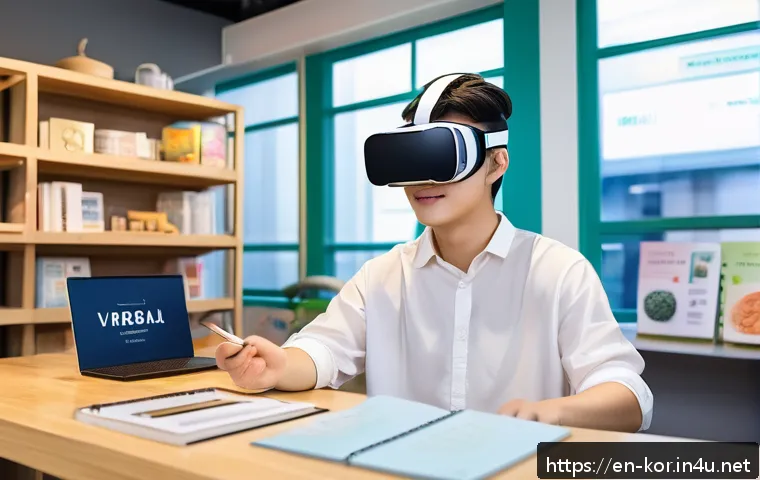
Immersive technology is no longer just a futuristic idea—it’s becoming an accessible way to practice Korean in simulated real-life contexts. I remember putting on a VR headset and suddenly finding myself in a Korean market, having to navigate conversations with virtual vendors.
This hands-on experience pushed me to apply vocabulary and phrases actively rather than passively memorizing them. It felt incredibly natural and helped me internalize expressions and intonation.
Beyond VR, even augmented reality apps that overlay Korean words onto physical objects around you can turn everyday environments into dynamic classrooms.
Adaptive AI Tutors: Personalized Feedback in Real Time
Adaptive AI tutors are game-changers, especially for those who don’t have constant access to native speakers. I found that these systems analyze my mistakes and tailor lessons to focus on weak points, whether it’s pronunciation, verb conjugation, or honorifics.
Unlike one-size-fits-all textbooks, AI tutors keep sessions challenging yet manageable by adjusting difficulty dynamically. The instant feedback loop accelerated my learning curve because I could immediately correct errors and reinforce correct usage.
This level of personalization mimics having a private tutor available 24/7, which is invaluable when balancing busy schedules.
Community-Driven Learning: Harnessing Social Connections
Language Exchange Meetups and Online Communities
Nothing beats real human interaction when it comes to mastering a language, and the Korean learning community has flourished both offline and online. Joining language exchange meetups allowed me to practice conversational Korean with native speakers eager to learn my language in return.
These meetups often include games, cultural events, and casual chats, making language practice less intimidating and more enjoyable. Online forums and social media groups dedicated to Korean learners provide continuous support and resources.
They are also great for sharing tips, asking questions, and staying motivated through collective effort.
Collaborative Storytelling and Role-Playing
Participating in collaborative storytelling or role-playing games with fellow learners was an unexpected but highly effective technique. This method encourages spontaneous language use and creativity.
In one group, we created stories where each member contributed sentences in Korean, correcting each other and learning new expressions in context. Role-playing scenarios like ordering at a restaurant or asking for directions simulate real-life situations, helping bridge the gap between textbook knowledge and practical communication.
The camaraderie built through these activities also boosts confidence, which is often the biggest hurdle in language acquisition.
Peer Feedback and Accountability Partners
Finding an accountability partner or study buddy can dramatically improve consistency and progress. When I partnered with someone at a similar level, we exchanged written assignments and recordings, providing constructive feedback.
This not only helped catch mistakes I would have missed alone but also fostered a sense of responsibility to keep up with practice. Peer feedback encourages a more critical and analytical approach to language learning, as explaining concepts to others deepens your own understanding.
It’s a win-win situation that adds a social and emotional layer to what might otherwise feel like solitary work.
Leveraging Multimedia Content for Contextual Learning
Watching K-Dramas and Variety Shows with Purpose
Binge-watching Korean dramas isn’t just entertainment—it’s a powerful language tool when approached intentionally. Instead of passively watching, I paused to note down new phrases, mimic pronunciation, and observe cultural nuances.
Subtitles helped at first, but gradually switching to Korean-only subtitles or none at all challenged my listening skills. Variety shows, with their spontaneous conversations and humor, exposed me to slang and everyday expressions that textbooks rarely cover.
This method makes learning feel less like studying and more like being part of the culture, which significantly deepened my engagement.
Listening to Korean Podcasts and Music for Immersion
Incorporating Korean podcasts into daily routines, such as during commutes or workouts, provided consistent exposure to natural speech rhythms and vocabulary.
I found podcasts tailored for learners particularly helpful because they often break down complex sentences and explain idiomatic expressions. Korean music, especially with lyrics I could follow, reinforced vocabulary through repetition and emotional connection.
Singing along not only improved my pronunciation but also made memorization easier and more enjoyable. These audio-based approaches complement reading and writing by developing listening and speaking skills simultaneously.
Using Interactive Subtitles and Language Learning Videos
Interactive video platforms that allow you to click on words for instant definitions or grammar explanations have been a revelation. They offer the perfect balance of exposure and support, letting me enjoy Korean media without feeling lost.
Some tools even let you slow down speech or loop difficult sections, which helped me catch subtle pronunciation details. Watching educational YouTube channels designed for Korean learners provided structured lessons embedded in visual and auditory contexts.
Combining these resources with note-taking and repetition created a multi-sensory learning environment that accelerated my progress dramatically.
Incorporating Cultural Context to Deepen Understanding
Exploring Korean History and Traditions
Language doesn’t exist in a vacuum, and understanding Korea’s rich history and traditions added layers of meaning to my studies. For instance, learning about Confucian values clarified why honorifics are so important in Korean.
Exploring holidays, cuisine, and social customs helped me grasp context behind idioms and phrases. When I connected language to culture, it wasn’t just about memorizing words—it became a gateway to appreciating a different worldview.
This deeper connection made me more passionate and patient with the learning process.
Cooking Korean Recipes to Learn Food Vocabulary
Cooking Korean dishes at home turned out to be a surprisingly effective way to learn food-related vocabulary and verbs. Following recipes in Korean, even if simplified, required me to focus on measurement terms, ingredients, and cooking verbs.
Sharing the dishes with friends gave me opportunities to describe flavors and processes in Korean, practicing conversational skills naturally. This hands-on cultural immersion brought language learning off the page and into my daily life, making it both practical and fun.
Participating in Korean Cultural Events and Festivals
Attending Korean cultural events and festivals provided immersive environments where I could practice listening and speaking in authentic contexts. These events often feature traditional music, dance, and crafts, which come with their own specialized vocabulary.
Interacting with native speakers in these settings was less formal and more relaxed, encouraging spontaneous conversation. The excitement and sensory stimulation of festivals helped imprint language learning moments in my memory, reinforcing both linguistic and cultural knowledge in a holistic way.
Integrating Technology with Traditional Study for Balanced Progress
Combining Textbook Foundations with Digital Enhancements
While digital tools are fantastic, I found that pairing them with traditional textbooks created a balanced learning routine. Textbooks provide structured grammar explanations and systematic vocabulary lists that digital apps sometimes overlook.
Using a textbook as a reference while practicing with apps or watching videos gave me a solid foundation and context. This hybrid approach prevented gaps in my knowledge and helped me appreciate the logic behind the language rather than relying solely on intuition or guesswork.
Scheduling Consistent Study Sessions with Smart Reminders
Maintaining consistency is key, and technology can help by scheduling study sessions and sending reminders. I experimented with calendar apps and dedicated language planners that break down goals into manageable daily tasks.
Setting specific times for listening, speaking, and writing practice ensured I didn’t neglect any skills. The sense of accomplishment from ticking off tasks motivated me to keep going.
This method helped me avoid burnout and made the learning process feel less overwhelming and more achievable.
Tracking Progress with Language Learning Analytics
Many platforms now offer detailed analytics showing progress in vocabulary acquisition, grammar mastery, and speaking fluency. Reviewing these stats gave me a clear picture of my strengths and weaknesses, allowing me to tailor my study plan effectively.
Seeing visual progress charts was encouraging and helped me set realistic goals. For example, noticing my slower improvement in verb conjugation led me to dedicate extra time there, resulting in noticeable gains.
This data-driven approach added a layer of accountability and precision to my learning journey.
| Learning Method | Main Benefits | Personal Experience |
|---|---|---|
| Gamified Apps | Increased motivation, fun repetition | Improved retention by turning drills into games |
| VR Immersion | Real-life context practice, natural usage | Enhanced conversational confidence in simulated settings |
| AI Tutors | Personalized feedback, adaptive difficulty | Accelerated correction of pronunciation and grammar |
| Language Exchange | Real interaction, cultural exchange | Boosted speaking skills and cultural understanding |
| Multimedia Content | Contextual learning, listening practice | Better understanding of slang and idioms through dramas and music |
| Cultural Activities | Deepened language meaning, immersive experience | Connected language to traditions, enhancing passion |
| Hybrid Study | Balanced knowledge, structured learning | Combined textbook logic with tech engagement |
Fostering Mindset and Emotional Connection in Language Learning
Embracing Mistakes as Growth Opportunities
One mindset shift that profoundly impacted my Korean journey was viewing mistakes not as failures but as essential stepping stones. Early on, I was hesitant to speak for fear of sounding awkward or incorrect.
However, when I started embracing errors as natural and valuable feedback, my confidence soared. This attitude helped me take risks in conversations and try new expressions without hesitation.
Learning a language is a messy process, and being kind to yourself can make all the difference.
Setting Meaningful Goals Beyond Fluency
Instead of vague goals like “be fluent,” I set specific, meaningful objectives tied to my interests, such as understanding Korean recipes or chatting about K-dramas.
This focus gave my studies purpose and made them enjoyable rather than a chore. Celebrating small wins, like successfully ordering food or recognizing a phrase in a show, kept me motivated.
When language learning connects with personal passions, it becomes a source of joy and pride rather than stress.
Building Emotional Bonds Through Storytelling
Sharing personal stories or journaling in Korean created an emotional connection that deepened my commitment. Writing about daily experiences or cultural observations in Korean made the language feel like a living, breathing tool rather than abstract vocabulary.
This practice helped me internalize grammar and vocabulary in a way that resonated emotionally. Storytelling also allowed me to reflect on my progress and celebrate how far I’d come, reinforcing both skill and motivation.
Enhancing Pronunciation and Speaking Confidence
Shadowing Native Speakers for Natural Flow
Shadowing, or repeating immediately after native speakers, proved to be a powerful technique for improving pronunciation and rhythm. I used audio clips from podcasts and dramas, mimicking intonation, speed, and emotion.
This method trained my mouth and ears simultaneously, helping me sound more natural and less robotic. At first, it felt awkward, but persistence paid off as I noticed clearer pronunciation and better fluency.
Shadowing also built muscle memory, making speaking in spontaneous situations easier.
Recording and Self-Assessment
Recording myself speaking Korean was initially uncomfortable but became one of the best ways to track progress. Listening back allowed me to identify pronunciation errors, unnatural pauses, or incorrect intonation that I wouldn’t catch while speaking.
Over time, comparing recordings showed tangible improvements, which was incredibly encouraging. This self-assessment practice also helped me develop an ear for subtle nuances and boosted my speaking confidence by making my progress visible.
Engaging in Spontaneous Speaking Challenges
To break free from rehearsed speech, I challenged myself with spontaneous speaking exercises, such as describing my day or reacting to prompts in real time.
These exercises forced me to think quickly and apply vocabulary actively, simulating real conversations. Joining language meetups or online speaking clubs provided opportunities to practice this in a low-pressure environment.
Overcoming the fear of hesitation and silence was crucial, and these challenges made speaking feel less daunting and more second nature.
Optimizing Vocabulary Acquisition with Contextual Techniques
Learning Words Through Thematic Clusters
Instead of memorizing isolated vocabulary lists, I grouped words into thematic clusters like travel, food, or emotions. This method made recall easier because related words create mental connections.
For example, learning all the food-related terms together helped me order meals and discuss cuisine more fluidly. This context-driven approach also helps with guessing meanings of new words based on the theme, which accelerates vocabulary expansion and makes it more relevant.
Using Mnemonics and Visual Imagery
Creating vivid mental images or quirky stories to remember Korean words helped me retain vocabulary longer. For instance, associating the Korean word for “rain” with an image of a colorful umbrella made the word stick better.
Mnemonics add a layer of creativity and fun to memorization, transforming tedious rote learning into an imaginative process. This technique is especially useful for tricky words or homophones that otherwise blend together.
Spaced Repetition Systems for Long-Term Retention
Implementing spaced repetition tools was a turning point in my vocabulary mastery. These systems schedule reviews of words right before you’re likely to forget them, optimizing memory consolidation.
Using apps with built-in spaced repetition algorithms saved me hours of manual review and made learning more efficient. Over time, I noticed that words I had previously struggled with became second nature.
This scientific approach to memorization ensures that vocabulary moves from short-term to long-term memory effectively.
Closing Thoughts
Mastering Korean is a journey filled with exciting tools and meaningful experiences. Combining technology, culture, and community creates a rich learning environment that keeps motivation high and progress steady. Embracing mistakes and personalizing goals make the process rewarding and enjoyable. With patience and consistent effort, fluency becomes an achievable and fulfilling milestone.
Helpful Tips to Remember
1. Set clear, specific goals tied to your interests to keep motivation strong.
2. Balance digital tools with traditional study methods for comprehensive learning.
3. Engage regularly with native speakers through exchanges or online communities.
4. Use multimedia content actively by taking notes and practicing pronunciation.
5. Track your progress and adjust your study plan based on your strengths and weaknesses.
Key Takeaways
Successful language learning blends interactive technology, cultural immersion, and social interaction. Personalizing your approach and maintaining consistency are essential for steady improvement. Mistakes should be embraced as natural steps in growth rather than setbacks. Finally, integrating listening, speaking, reading, and writing practice ensures well-rounded fluency development.
Frequently Asked Questions (FAQ) 📖
Q: uestions about Modern Korean Learning TechniquesQ1: How do immersive learning tools improve my Korean compared to traditional methods?
A: Immersive tools create a natural environment where you engage with Korean in context, just like living in Korea. Instead of rote memorization, you experience the language through videos, interactive apps, and virtual reality, which helps your brain connect words and grammar to real-life situations.
From my experience, this approach made vocabulary stick longer and improved my listening skills faster than drilling alone.
Q: Can beginners really benefit from tech-driven methods, or are they better for advanced learners?
A: Beginners absolutely benefit! Many modern apps tailor lessons to your level, using gamification and bite-sized tasks to keep motivation high without overwhelming you.
I’ve seen beginners progress quickly because these tools break down complex grammar and pronunciation into manageable, fun exercises. Plus, instant feedback helps correct mistakes early, preventing bad habits.
Q: Are these innovative learning strategies worth the investment compared to free resources?
A: While free resources are great to start, investing in quality immersive tools often speeds up progress significantly. Paid platforms typically offer personalized learning paths, adaptive difficulty, and community support, which free options may lack.
Personally, I found that spending on a well-designed app or subscription saved me months of struggle and kept me engaged, which is key for long-term success.