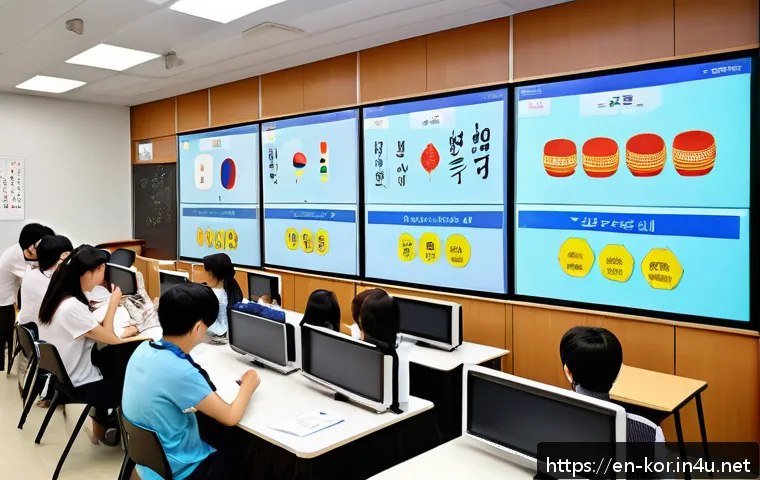
In today’s globalized world, mastering a new language opens countless doors, and Korean is no exception. With the Korean Wave (Hallyu) continuing to surge in popularity, more learners are eager to become certified Korean language teachers.

Whether you’re aiming to teach abroad or online, navigating the certification process can feel overwhelming. But don’t worry—this guide will share practical tips and study strategies that truly work.
Stick around to discover how you can turn your passion for Korean into a rewarding teaching career!
Understanding the Certification Landscape for Korean Language Teachers
Exploring Official Certification Bodies
When it comes to becoming a certified Korean language teacher, knowing which institutions provide recognized credentials is key. Various organizations offer certifications, but the most respected ones are usually government-affiliated or internationally recognized bodies.
For example, the Test of Proficiency in Korean (TOPIK) plays a vital role in proving language ability, but teaching certifications often come from different channels such as university programs or specialized teaching institutes.
Researching these options thoroughly helps you pick the right path that matches your career goals, whether you want to teach in Korea or online worldwide.
Types of Certifications and Their Benefits
Certifications vary widely, from short-term courses that offer practical teaching skills to comprehensive diplomas that cover linguistics and pedagogy.
Some programs focus on teaching Korean as a foreign language, while others prepare you for classroom management and curriculum design. Choosing a certification that aligns with your teaching style and target audience is essential.
For instance, if you plan to teach children, a program that emphasizes interactive techniques and child psychology might serve you better. On the other hand, adult education certifications often prioritize cultural nuances and conversational fluency.
How to Verify Certification Validity
Not every certificate holds the same weight in the global job market. Before investing time and money, it’s wise to verify the program’s accreditation and how employers perceive it.
Checking alumni reviews, employer recommendations, and official endorsements can save you from pursuing a less valuable credential. Additionally, some certifications offer continuing education credits, which keep your skills sharp and your resume attractive.
Staying updated with these details ensures you’re not just certified but also competitive.
Strategic Study Approaches for Mastering Korean Teaching Skills
Balancing Language Proficiency with Pedagogical Knowledge
Mastering the Korean language is just one part of the puzzle. Effective teaching requires understanding how to convey complex grammar, vocabulary, and cultural context in digestible ways.
Combining language study with pedagogy courses can significantly boost your confidence in the classroom. For example, I found that pairing my daily Korean study routine with lesson planning workshops made a huge difference in how I structured my classes.
This dual approach prevents burnout by diversifying your learning methods and keeps you engaged.
Incorporating Real-Life Practice and Feedback
Nothing beats hands-on experience when preparing to teach. Volunteering as a tutor or joining language exchange meetups can provide valuable practice.
During my own preparation, I actively sought feedback from native speakers and experienced teachers, which helped me fine-tune my explanations and teaching style.
Recording yourself teaching and reviewing the footage is another effective tactic—it highlights areas for improvement that you might overlook during live sessions.
Utilizing Technology and Online Resources
Modern study tools make language teaching preparation more accessible than ever. Interactive apps, online teaching platforms, and virtual classrooms offer immersive environments for both learning and practicing teaching skills.
For instance, I relied heavily on platforms like Zoom and Google Classroom to simulate online teaching scenarios, which is especially crucial if you plan to teach remotely.
Moreover, forums and social media groups dedicated to Korean language educators can provide support, lesson ideas, and motivation.
Time Management and Study Planning for Busy Learners
Creating a Realistic Study Schedule
Balancing certification preparation with daily responsibilities requires a well-structured plan. Breaking down your study goals into weekly or even daily tasks helps avoid last-minute cramming.
Personally, I used a digital calendar to block out specific time slots for vocabulary review, lesson planning, and mock teaching sessions. This method not only increased my productivity but also reduced stress by making progress feel manageable and measurable.
Prioritizing Key Competencies and Exam Sections
Not all parts of the certification exams or coursework carry equal weight, so focusing on high-impact areas can maximize your results. For example, if the exam emphasizes grammar and teaching methodology, dedicating extra time to these sections is more effective than spreading yourself too thin.
I recommend reviewing past exam papers or course outlines to identify these priorities early in your study process.
Adjusting Your Plan Based on Progress
Flexibility is crucial. If you notice certain topics or skills taking longer to master, don’t hesitate to adjust your schedule. Regular self-assessment, through quizzes or practice teaching, helps you identify weak spots.
During my preparation, I often revisited my study plan monthly and tweaked it based on my progress, which kept me on track without feeling overwhelmed.
Essential Teaching Techniques to Engage Korean Language Learners
Using Cultural Context to Enhance Lessons
Language and culture are inseparable, so integrating cultural elements into your lessons can dramatically increase learner engagement. Sharing Korean traditions, holidays, or popular media like K-dramas and K-pop makes lessons relatable and fun.
In my experience, students become more motivated when they see how the language connects to real-world experiences. Incorporating authentic materials like news articles or music videos also provides context and enriches vocabulary learning.
Interactive Activities for Different Learning Styles
Effective teaching recognizes that students absorb information differently. Incorporating a mix of visual, auditory, and kinesthetic activities keeps lessons dynamic and inclusive.
For example, role-playing common scenarios, using flashcards for vocabulary, and encouraging group discussions can cater to diverse preferences. I noticed that rotating these activities not only maintained student interest but also improved retention by reinforcing concepts through multiple channels.
Building a Supportive Learning Environment
Creating a classroom atmosphere where students feel comfortable making mistakes and asking questions is fundamental. Encouraging peer collaboration and providing positive feedback fosters confidence and community.
When I started implementing more group projects and one-on-one feedback sessions, I saw a marked improvement in student participation and progress. This supportive environment transforms the learning experience from daunting to enjoyable.
Leveraging Online Platforms to Expand Teaching Opportunities
Choosing the Right Platform for Your Teaching Style
With countless online teaching platforms available, selecting one that fits your approach and target audience is crucial. Some platforms focus on casual conversation practice, while others offer structured curriculum delivery.
I experimented with several platforms before settling on one that allowed me to customize lessons and interact via video, which matched my style perfectly.
Evaluating platform features like scheduling flexibility, payment options, and student demographics can guide your decision.
Building a Strong Online Presence
Establishing credibility as an online teacher involves more than just teaching skills. Crafting a professional profile with clear descriptions, credentials, and student testimonials attracts more learners.
I found that uploading introductory videos and sharing sample lessons boosted my bookings significantly. Additionally, engaging in online language communities and social media helps build your brand and connect with potential students worldwide.
Maximizing Student Retention and Satisfaction
Retention is key to a sustainable teaching career. Offering personalized feedback, setting achievable goals, and maintaining consistent communication keeps students motivated.
I made it a habit to send follow-up messages after each lesson with study tips and encouragement, which my students appreciated. Incorporating periodic progress assessments also helps learners see their improvement, reinforcing their commitment.
Understanding the Financial Aspects of a Korean Teaching Career
Typical Salary Ranges and Income Streams
Income for Korean language teachers varies widely depending on location, experience, and teaching mode. For instance, online tutors may charge between $20 to $50 per hour, while teachers in private institutes abroad might earn a monthly salary ranging from $1,500 to $3,500.
Diversifying income by offering group classes, creating digital content, or selling lesson plans can supplement your earnings. I personally found that combining one-on-one lessons with group workshops maximized my income and reduced downtime.
Cost Breakdown for Certification and Materials
Investing in certification often involves tuition fees, study materials, and sometimes travel expenses for in-person exams or training. Below is a general overview of typical costs:
| Expense | Estimated Cost (USD) | Notes |
|---|---|---|
| Certification Program Tuition | 800 – 2,500 | Varies by institution and program length |
| Study Materials (Books, Apps) | 100 – 300 | Includes textbooks and supplementary resources |
| Exam Fees | 50 – 150 | Depends on certification body |
| Online Platform Subscription | 0 – 50/month | Optional, for practice and teaching |
Budgeting Tips for Aspiring Teachers
Starting out on a budget is possible with careful planning. Utilizing free or low-cost resources like language exchange groups, open educational content, and public libraries can reduce expenses.
Additionally, some certification programs offer scholarships or payment plans. I recommend setting aside a dedicated fund for your teaching career and tracking all related expenses to avoid surprises.
This approach keeps your financial stress low and lets you focus more on your studies and teaching.
Conclusion
Becoming a certified Korean language teacher opens up rewarding opportunities both online and offline. By understanding certification options, developing strong teaching skills, and managing your time effectively, you can build a successful career. Remember, continuous learning and adapting your methods to student needs are key to long-term growth. Embrace the journey with patience and enthusiasm.
Helpful Information
1. Research various certification programs thoroughly to find one that fits your career goals and teaching style.
2. Combine language proficiency study with pedagogy courses to enhance your teaching effectiveness.
3. Use real-life practice and seek feedback regularly to refine your instructional approach.
4. Leverage online platforms and social media to expand your reach and build a professional presence.
5. Budget carefully for certification and materials, utilizing free resources and scholarships when available.
Key Takeaways
Choosing an accredited certification is essential to ensure your credentials are respected by employers worldwide. Balancing language mastery with practical teaching techniques enhances classroom confidence and student engagement. Effective time management and flexible study plans help busy learners stay on track without burnout. Incorporating cultural context and interactive activities makes lessons more relatable and memorable. Finally, building a strong online presence and understanding financial aspects contribute to a sustainable and rewarding teaching career.
Frequently Asked Questions (FAQ) 📖
Q: uestions about Becoming a Certified Korean Language TeacherQ1: What are the typical certification options available for teaching Korean as a foreign language?
A: The most recognized certification for teaching Korean is the Korean Language Teaching Qualification (often offered by institutions like the King Sejong Institute).
Many aspiring teachers pursue this credential because it’s widely accepted both in Korea and internationally. Additionally, some universities and language centers offer TESOL or TEFL certifications with a Korean focus.
It’s important to choose a program that combines theoretical knowledge with practical teaching experience, as that balance really prepares you for real classroom situations.
Q: How can I effectively prepare for the Korean language teaching certification exams?
A: From my own experience and chatting with fellow teachers, the key is consistent practice combined with immersive exposure. Start by thoroughly understanding the exam’s structure—whether it includes language proficiency, teaching methodology, or cultural knowledge.
Using real teaching scenarios to practice lesson planning and mock teaching sessions helps build confidence. Also, joining online study groups or forums can provide valuable insights and moral support.
Don’t underestimate the power of teaching practice, even if it’s informal, before taking the exam.
Q: Is it possible to teach Korean online without formal certification?
A: Absolutely, especially in today’s digital age, many platforms welcome passionate Korean speakers who can teach conversational Korean or beginner lessons without formal certification.
However, having official credentials definitely boosts your credibility and can open doors to higher-paying opportunities or institutional jobs. If you’re just starting out, offering informal lessons online can help you gain experience and build a student base, but investing in certification is advisable if you want to establish a long-term, professional teaching career.